Gdańsk | Market analysis by Global Ocean Link Poland
Delays at sea in the third quarter almost certainly lead to costly air freight in December – these market waves are rarely a coincidence. At Global Ocean Link Poland, we analyze hard data and show how planning based on the 3-6-9 rule can truly stabilize your supply chain, so no one gets burned by costs. Yeah, numbers don’t lie.
Sea transport currently handles over 80% of world trade, which means seasonality in 2026 remains a key driver of operational strategies. Analyses by Global Ocean Link Poland show a strong correlation: the ocean peak (July–October) precedes the air freight peak by about 2–3 months. This means that any delays or lack of space in Q3 directly force a shift to expensive air cargo during Black Friday and Double 11.
Optimizing your supply chain requires using the so-called “Golden Window” in Q2 to renegotiate contracts. As an alternative to maritime congestion, Global Ocean Link Poland offers “mid-speed” rail transport with transit times of 14–16 days. This effectively secures goods that are highly sensitive to delays, such as electronics or apparel, while avoiding the highest airfreight rates in Q4.
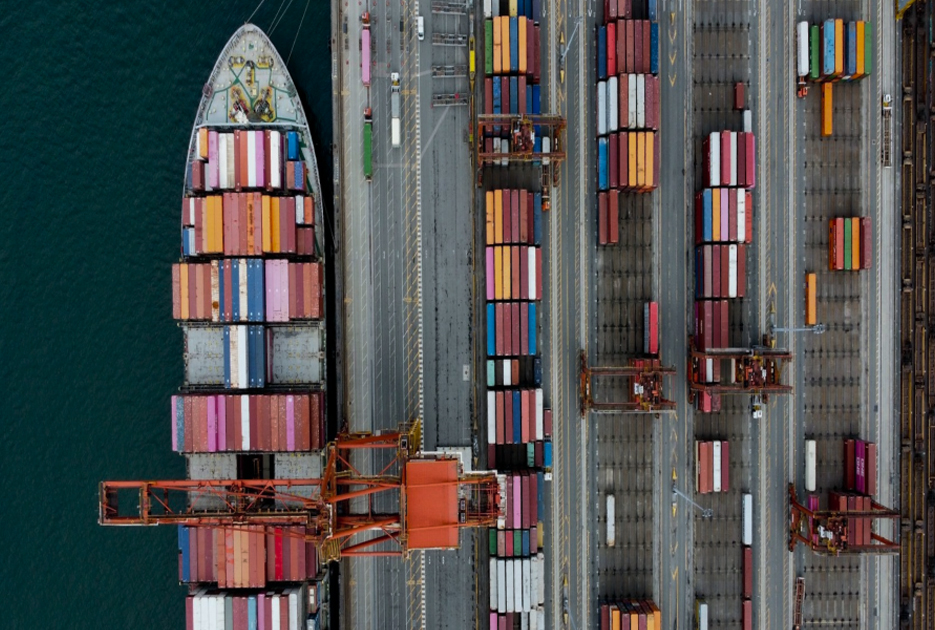
Implementing the 3-6-9 rule (planning 3 months ahead) and focusing transshipments through the port of Gdańsk (2.8 million TEU) are key elements of our offering for the CEE region. Global Ocean Link Poland recommends building buffer stock as early as the third quarter – a solution that is significantly more cost-effective than emergency air deliveries in December.
Want to avoid December air freight rates? Let’s talk about your schedule.
Contact us:
📧 [email protected]
☎️ +48 882 921 294
ul. Marynarki Polskiej 163,
80-868 Gdańsk, Poland
📊 Seasonality analysis | Global Ocean Link Poland – data and strategies for 2026